January 9, 2026
Your HVAC system works quietly in the background to keep your home comfortable, but it requires attention long before extreme temperatures arrive. Preparing your heating and cooling system ahead of summer and winter helps prevent unexpected breakdowns, improves efficiency, and ensures consistent comfort when your system is under the most strain. A seasonal HVAC checklist gives homeowners a clear plan to follow rather than reacting to emergencies at the worst possible time.
Working with a reliable local HVAC service makes seasonal preparation easier and more effective. At The Gas Man, proactive maintenance is one of the best ways to protect your comfort, your safety, and your long-term investment in your home.
Why Seasonal HVAC Maintenance Is Essential
HVAC systems experience the most stress during peak summer and winter months. Without seasonal maintenance, even well-installed equipment can lose efficiency or fail prematurely. Preparing your system ahead of time allows potential issues to be identified and corrected before they disrupt your comfort.
Routine seasonal maintenance improves airflow, stabilizes indoor temperatures, and reduces unnecessary strain on motors, compressors, and heat exchangers. Homeowners who schedule regular service often notice lower energy bills and fewer surprise repairs. According to This Old House, HVAC systems generally last up to 20 years with proper maintenance. That lifespan is far more difficult to achieve when seasonal care is neglected.
Choosing a trusted local HVAC service ensures your system is evaluated by technicians who understand regional climate demands and how seasonal shifts affect system performance.
Preparing Your HVAC System for Summer
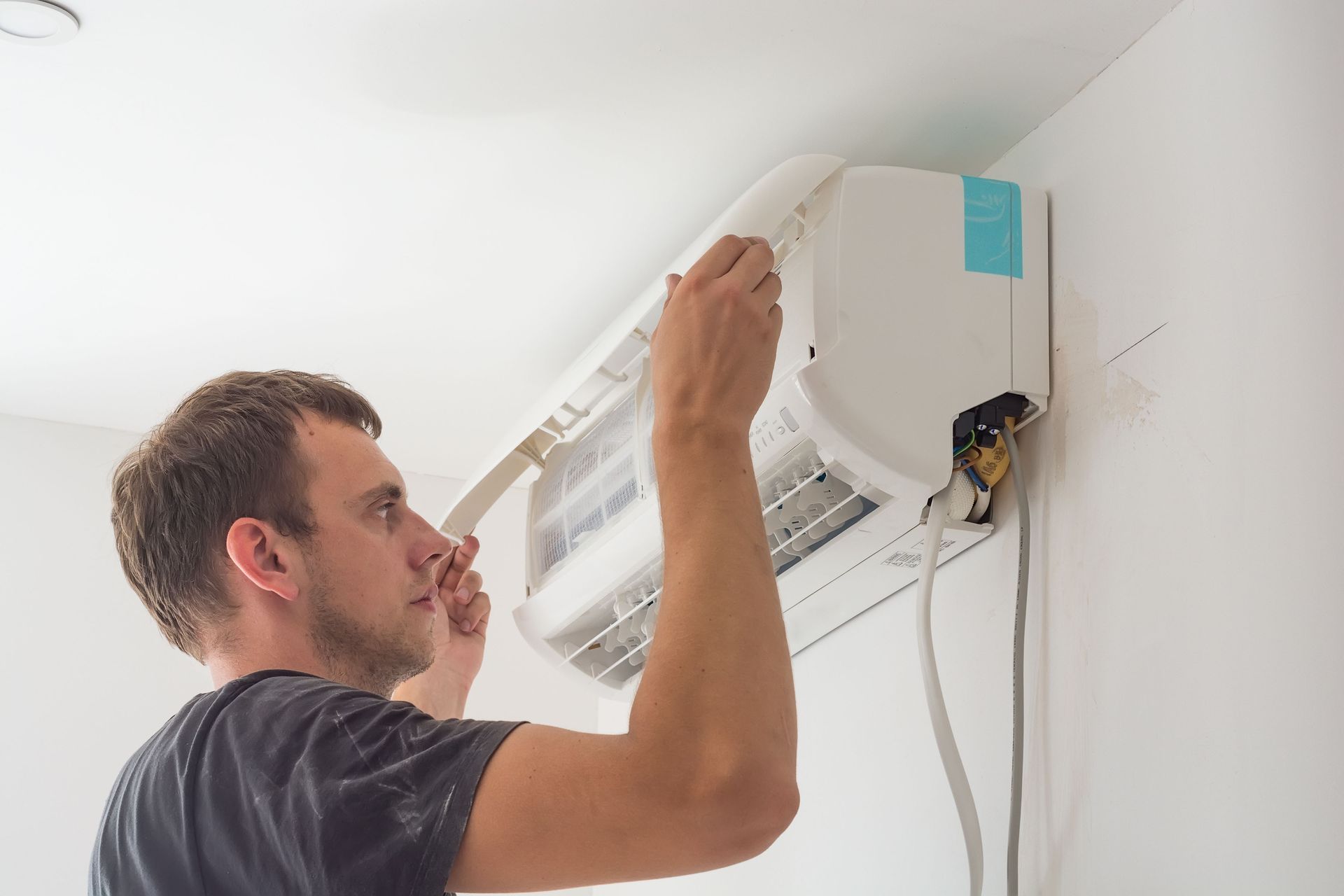
As outdoor temperatures rise, your air conditioning system becomes essential to daily comfort. Preparing it before summer begins helps ensure reliable cooling when demand increases. One of the most important steps is replacing or cleaning your air filter. Dirty filters restrict airflow, forcing the system to work harder and reducing overall cooling efficiency. Clean filters allow air to move freely, support better indoor air quality, and reduce strain on the system.
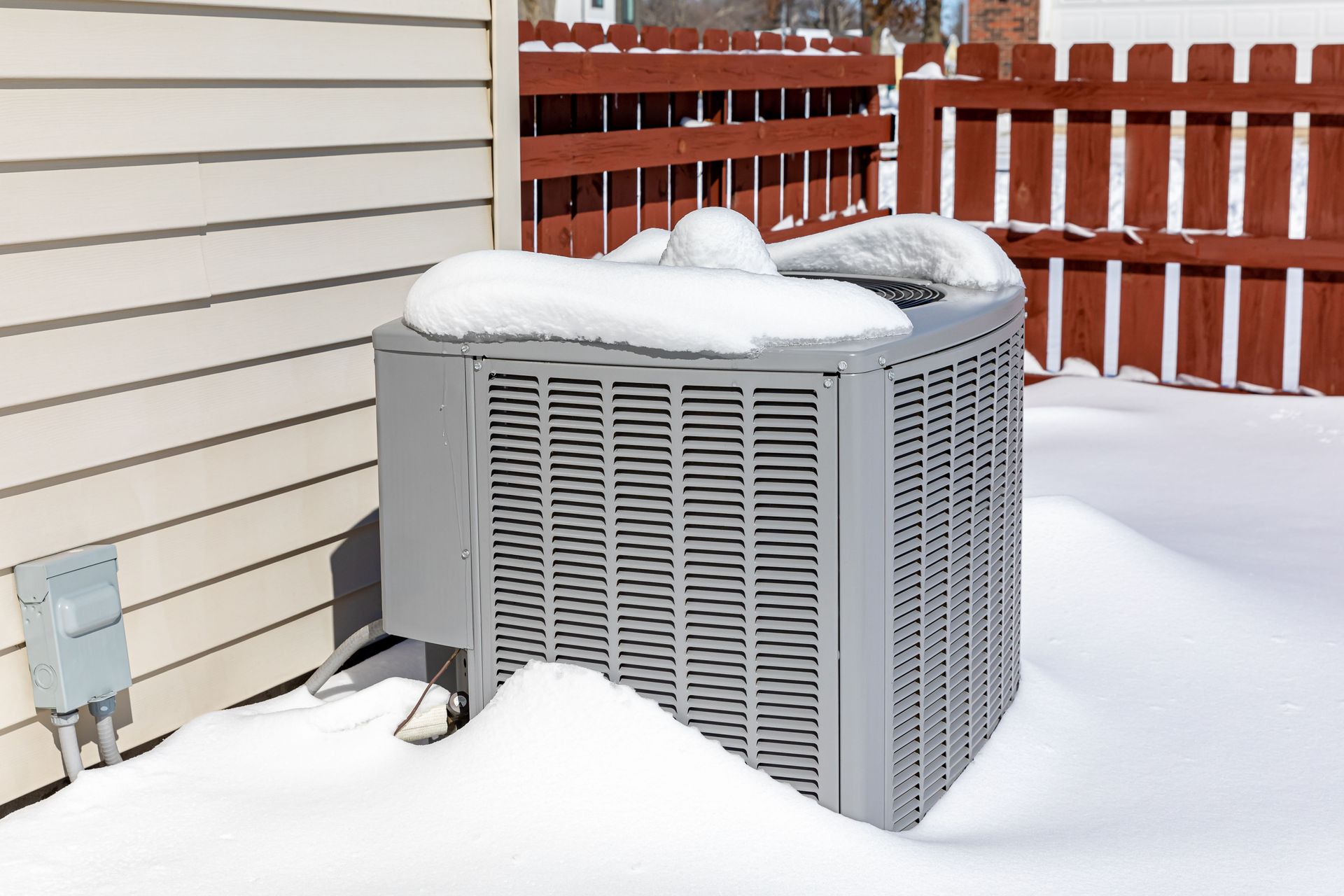
The outdoor condenser unit also requires attention before summer. Over the cooler months, debris such as leaves, dirt, and grass clippings can collect around the unit. This buildup limits the system’s ability to release heat, which can reduce cooling capacity and increase energy use. Clearing the area around the condenser improves airflow and helps the system operate efficiently. A local HVAC service can provide professional cleaning if the unit shows signs of heavy buildup or damage.
Refrigerant levels play a critical role in cooling performance. Low refrigerant can cause warm air to blow from vents, longer cooling cycles, and increased wear on the compressor. Because refrigerant handling requires specialized training, a professional inspection is the safest way to identify and resolve these issues before summer temperatures peak.
Thermostat performance should also be checked before the cooling season begins. A thermostat that reads temperatures inaccurately or cycles improperly can lead to uneven cooling and wasted energy. Many homeowners choose this time to upgrade to programmable or smart thermostats, which allow better control over cooling schedules and energy use.
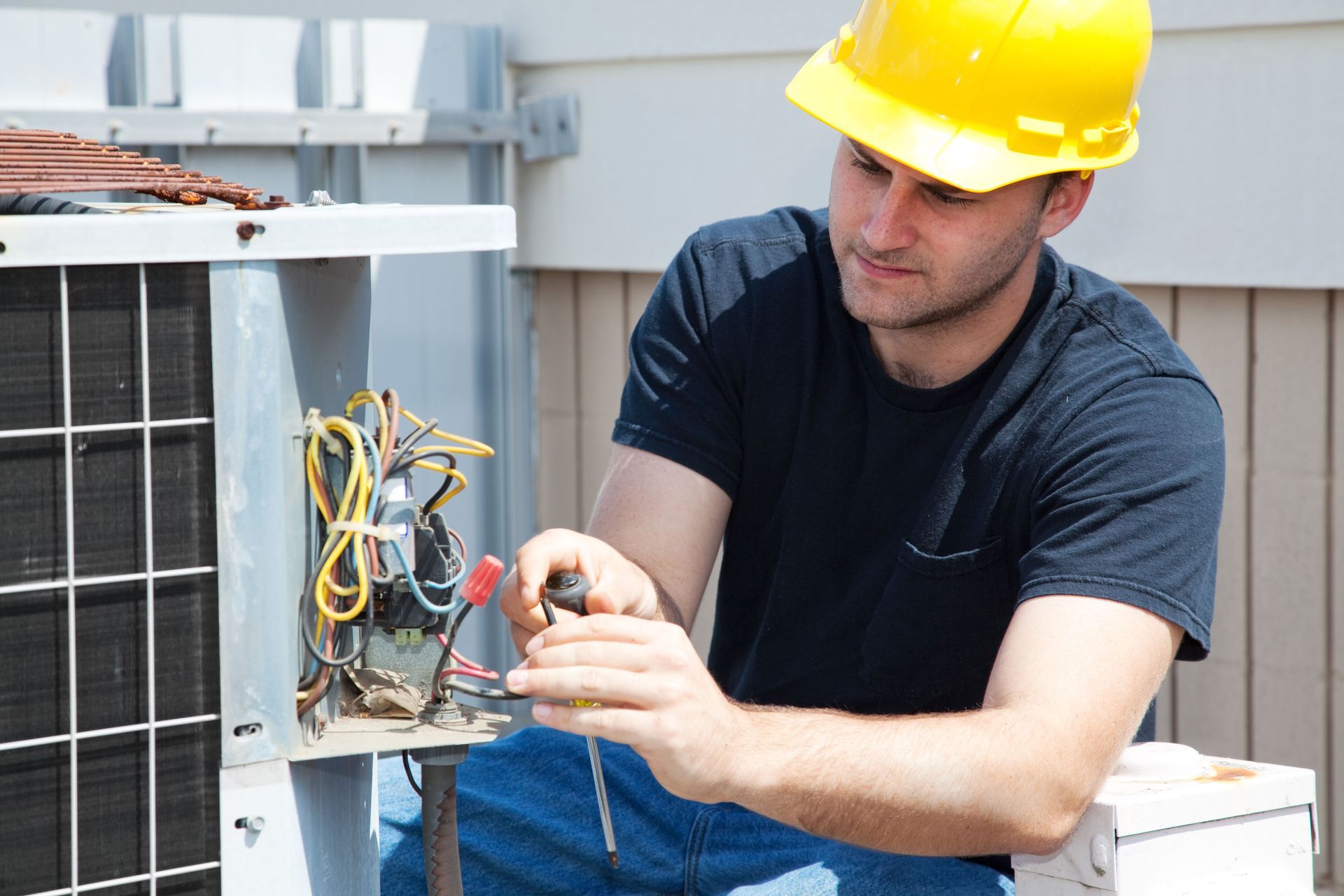
Electrical components should be inspected to ensure safe and reliable operation during extended cooling cycles. Loose connections or aging parts can fail under heavy summer demand. Scheduling a local HVAC service before the season starts reduces the risk of sudden breakdowns when service availability is limited.
Preparing Your HVAC System for Winter
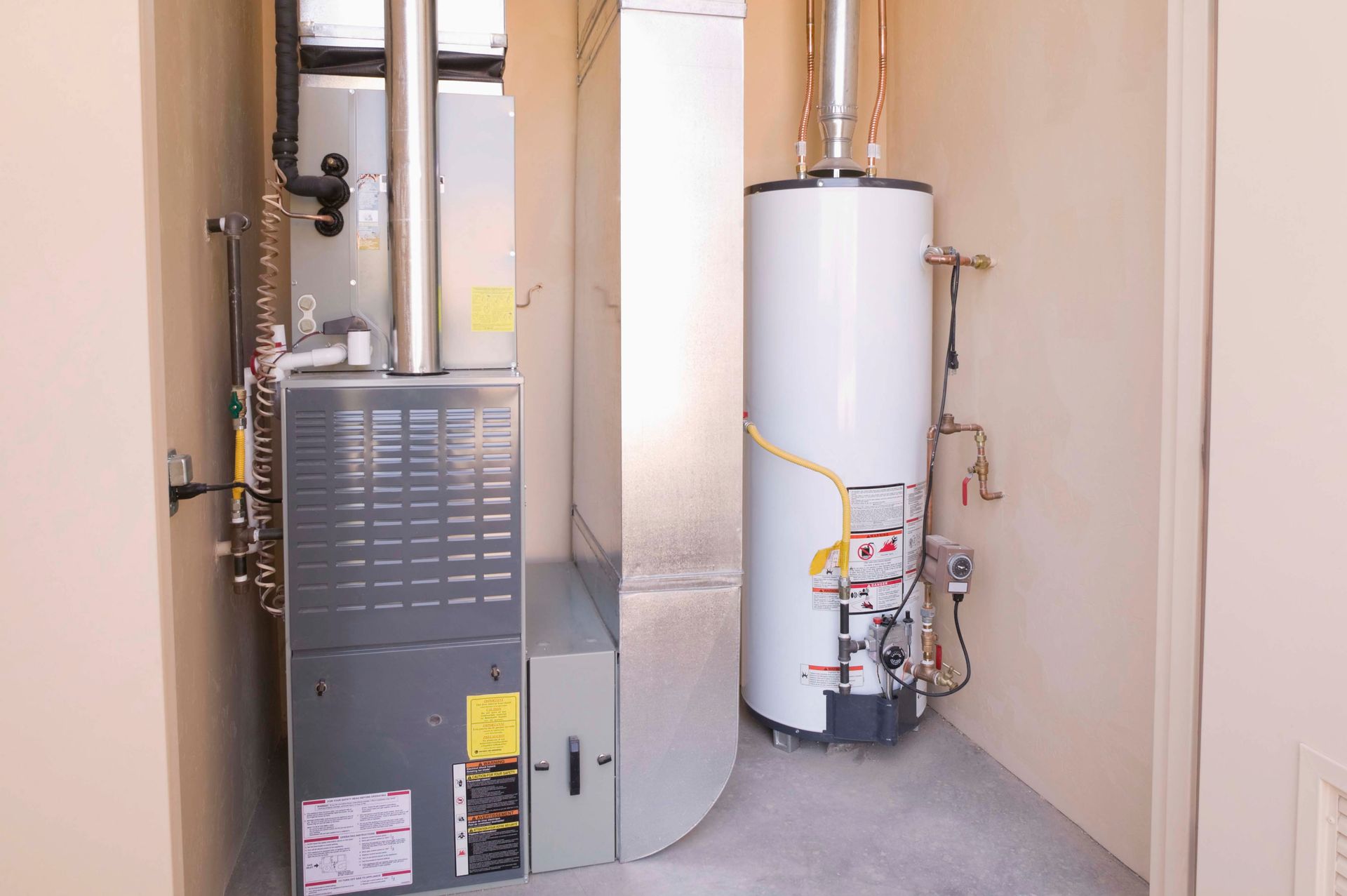
Winter preparation focuses on heating reliability and safety. Before cold weather sets in, it’s important to schedule a professional inspection of your heating system. This is especially critical for gas-powered furnaces, which rely on proper combustion and ventilation to operate safely. A thorough inspection ensures burners, ignition systems, and safety controls are functioning correctly.
Carbon monoxide safety becomes a priority during the heating season. Testing carbon monoxide detectors before winter ensures they will provide early warning if combustion gases enter the home. Detectors should be functioning properly and replaced if they are nearing the end of their recommended lifespan.
Heating systems should be tested to confirm they start smoothly and maintain consistent temperatures. Older furnaces with pilot lights should produce a steady blue flame, while modern systems should ignite cleanly without unusual sounds or delays. Any irregular operation should be addressed by a qualified local HVAC service before the system is relied on daily.
Ductwork condition plays a major role in winter comfort. Leaks or gaps allow heated air to escape before it reaches living spaces, forcing the system to work longer and harder. Inspecting visible duct sections and sealing minor leaks helps improve efficiency and ensures even heating throughout the home. Persistent cold spots may indicate deeper duct issues that require professional evaluation.
Air filters should be replaced again before winter begins. Heating systems circulate air just as frequently as cooling systems, and clean filters help maintain airflow and indoor air quality. This is particularly important for homes with pets, allergies, or respiratory sensitivities.
Improving Efficiency Beyond the HVAC System
Seasonal HVAC preparation also involves addressing factors throughout the home that affect system performance. Drafts around doors and windows allow conditioned air to escape, increasing system workload during both summer and winter. Sealing these gaps helps maintain stable indoor temperatures and reduces energy waste.
Insulation quality also affects how hard your HVAC system must work. Poor insulation allows heat to enter during summer and escape during winter, making it more difficult to maintain comfort. Improving insulation in attics, basements, and crawl spaces complements HVAC maintenance and helps maximize efficiency.
Airflow inside the home should also be evaluated. Furniture blocking vents or returns disrupts circulation and leads to uneven temperatures. Keeping vents clear allows your system to distribute conditioned air more evenly, improving comfort and reducing strain on equipment.
When to Call a Local HVAC Service
Even with careful seasonal preparation, certain warning signs indicate the need for professional service. Unusual noises, persistent odors, or inconsistent temperatures often point to underlying issues. Rising energy bills can also signal that your system is operating inefficiently. Having a trusted local HVAC service inspect your system at the first sign of trouble ensures problems are addressed before they escalate.
Short cycling, frequent system shutdowns, or difficulty maintaining set temperatures should not be ignored. Early intervention by a local HVAC service helps prevent small issues from becoming major repairs and reduces the risk of system failure during extreme weather.
The Long-Term Value of Seasonal HVAC Maintenance
Seasonal HVAC maintenance provides benefits that extend well beyond immediate comfort. Preventative care reduces emergency repair costs, improves efficiency, and supports long-term equipment reliability. Systems that receive regular maintenance are more likely to reach their full lifespan and operate consistently year after year.
Routine service also allows homeowners to plan for future repairs or replacements instead of being caught off guard. By working with a trusted local HVAC service, homeowners gain peace of mind knowing their system is being monitored by experienced professionals.
At The Gas Man, we understand how important dependable heating and cooling are to your home. Our experienced technicians provide thorough seasonal inspections, clear recommendations, and reliable
local HVAC service designed to keep your system running all year long, helping you avoid unexpected breakdowns when you need your system most.
Preparing your HVAC system before summer and winter protects your comfort, your safety, and your investment. Contact The Gas Man today to schedule seasonal service and feel confident knowing your system is ready for whatever the season brings.