April 28, 2026
A well-executed HVAC installation is one of the most important investments a homeowner can make for comfort, efficiency, and indoor air quality. Whether you are upgrading an outdated system or installing one in a new property, understanding the process helps set clear expectations and ensures a smoother experience from start to finish. Professional installation is about much more than simply placing equipment; it involves careful planning, technical expertise, and a commitment to long-term performance.
Heating and cooling systems influence nearly every aspect of your indoor environment, from temperature consistency to air circulation and humidity control. Because of this, a professional approach is essential. Working with experienced technicians ensures that your system is properly sized, correctly installed, and optimized to meet your home’s unique needs without unnecessary risks or inefficiencies.
Evaluating Home Needs
The first stage of a professional HVAC installation begins with a comprehensive evaluation of the home. This step is crucial because every property has different structural characteristics, insulation levels, and airflow requirements. Professionals take the time to assess these variables carefully rather than applying a one-size-fits-all solution.
During this evaluation, technicians examine the layout of the home, including room sizes, ceiling heights, window placements, and existing ductwork. They also consider how the space is used daily, identifying areas that may require more consistent heating or cooling. This detailed assessment helps determine the most appropriate system type and configuration.
Another key part of this phase involves discussing preferences and expectations with the homeowner. Comfort goals, energy efficiency priorities, and long-term plans for the property all play a role in shaping the final recommendation. By aligning technical decisions with lifestyle needs, professionals create a more personalized and effective solution.
Selecting the Right System
Once the evaluation is complete, the next step is selecting the most suitable system for the home. This process involves more than choosing a brand or model; it requires matching system capabilities with the specific demands of the space. A properly selected system enhances comfort while avoiding unnecessary strain on components.
Professionals guide homeowners through available options, explaining differences in performance, efficiency, and features. They also consider factors such as climate conditions, existing infrastructure, and compatibility with smart home technologies. This ensures that the system not only meets current needs but can also adapt to future upgrades or changes.
The importance of indoor air quality is often highlighted during this stage. According to the World Health Organization, indoor air pollution contributes to approximately 3.2 million deaths worldwide each year, including over 237,000 among children under the age of five. This underscores the value of selecting systems that support cleaner, healthier air through proper filtration and ventilation.
Preparing the Installation Area
Before any equipment is installed, technicians prepare the site to ensure a safe and efficient process. Preparation involves clearing the workspace, protecting surrounding areas, and verifying that all necessary components are ready for installation. This step minimizes disruptions and helps prevent potential issues during the project.
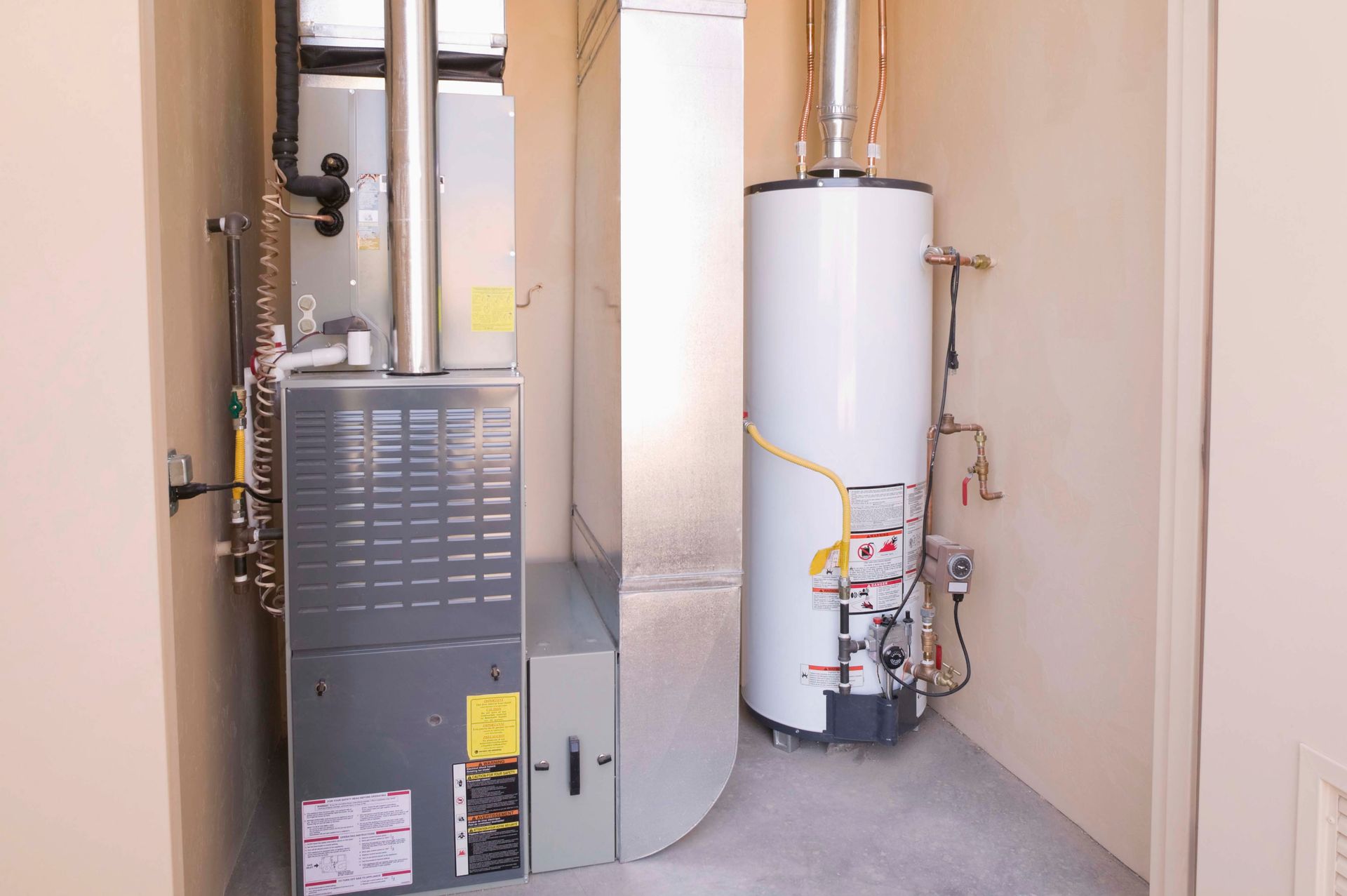
Technicians may inspect and adjust existing ductwork, electrical connections, and ventilation pathways. If any components are outdated or incompatible with the new system, address these concerns before proceeding. This proactive approach reduces the likelihood of performance problems later on.
Safety is a top priority during preparation. Professionals follow established protocols to protect both the property and everyone involved in the installation process. By taking the time to prepare thoroughly, they create a stable foundation for the work that follows. This careful preparation also helps streamline the installation process, reducing delays and ensuring each step can be completed efficiently and safely.
Installing the HVAC System
The installation phase is where planning and preparation come together. Skilled technicians carefully position and secure each component, ensuring that the system is installed according to manufacturer specifications and industry standards. Precision is essential at this stage, as even minor errors can affect performance and efficiency.
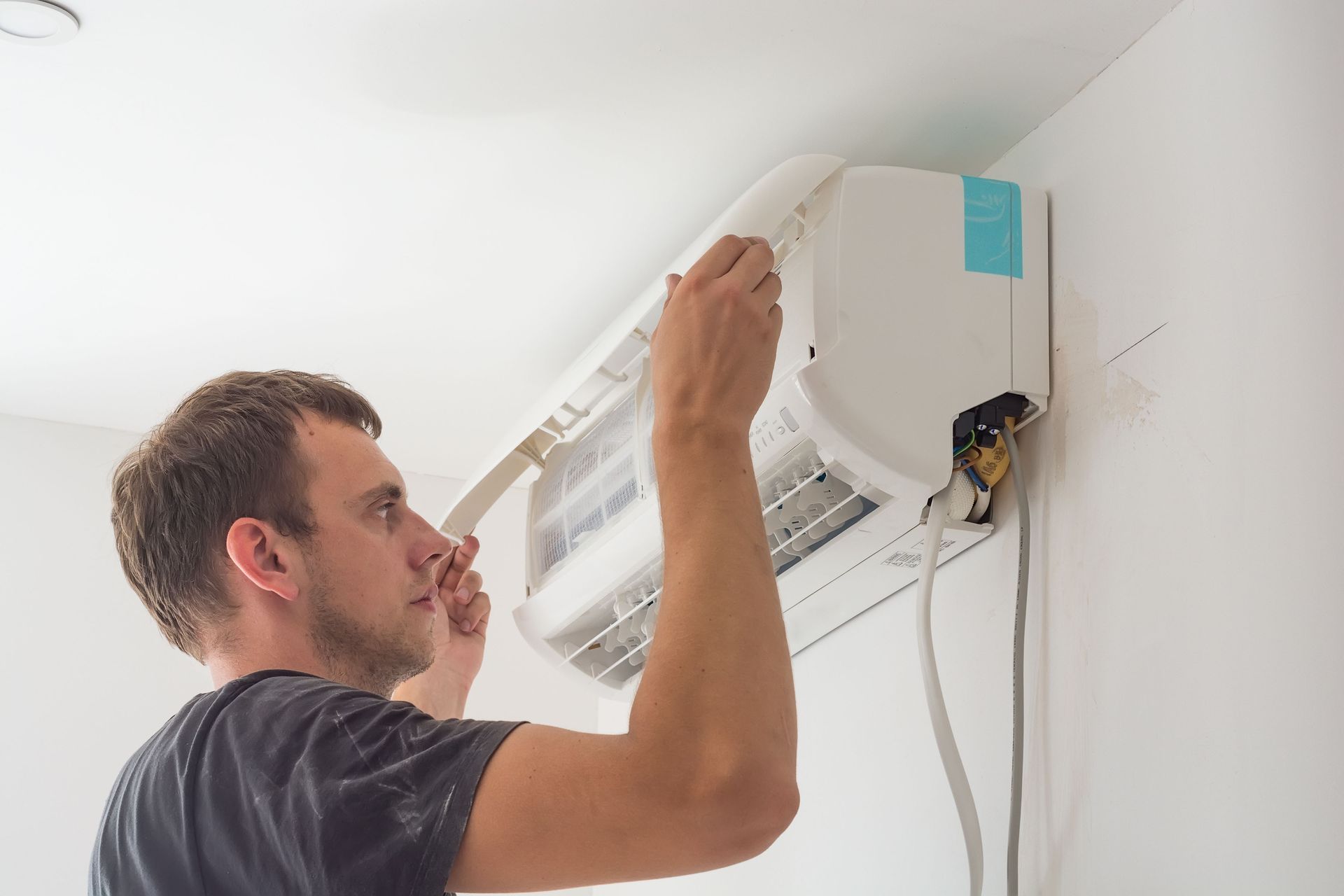
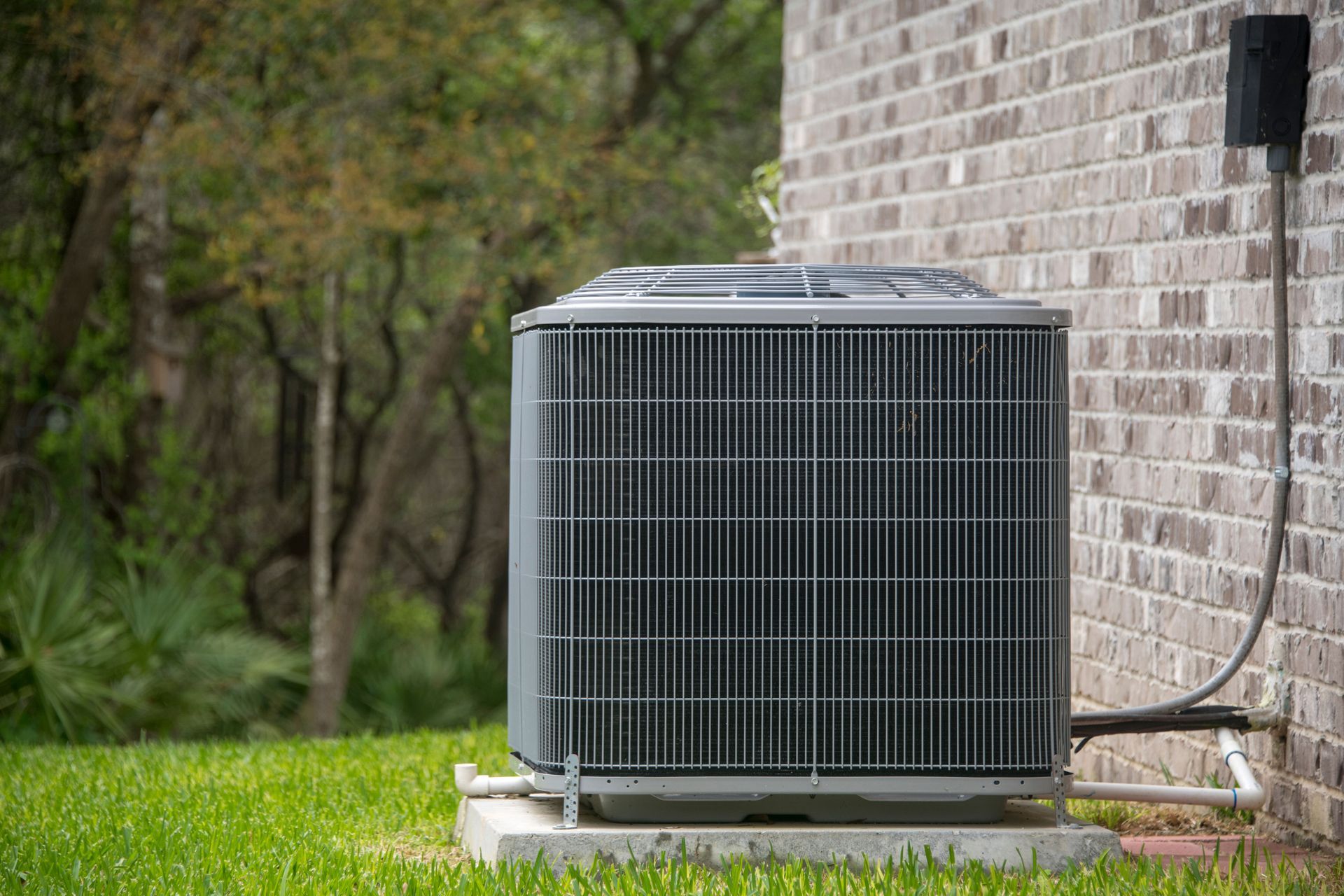
The process typically includes placing the indoor and outdoor units, connecting refrigerant lines, and integrating the system with existing ductwork or ventilation structures. Electrical connections are handled with care to ensure safe operation and reliable performance over time. Attention to detail is what sets professional HVAC installation apart. Technicians take the time to seal connections, align components, and verify that everything is installed correctly. This level of care helps prevent issues such as air leaks, uneven temperatures, or excessive energy consumption.
Throughout the installation, communication remains a priority. Homeowners are often kept informed about progress and any adjustments that may be necessary. This transparency builds trust and ensures that expectations are met at every stage. It also allows homeowners to feel more confident in the process, knowing their concerns are addressed and their preferences are taken into account in real time.
Testing and System Calibration
After installation is complete, the system undergoes thorough testing and calibration. This step is essential for confirming that everything is functioning as intended and delivering optimal performance. Professionals do not consider the job finished until the system operates smoothly and efficiently.
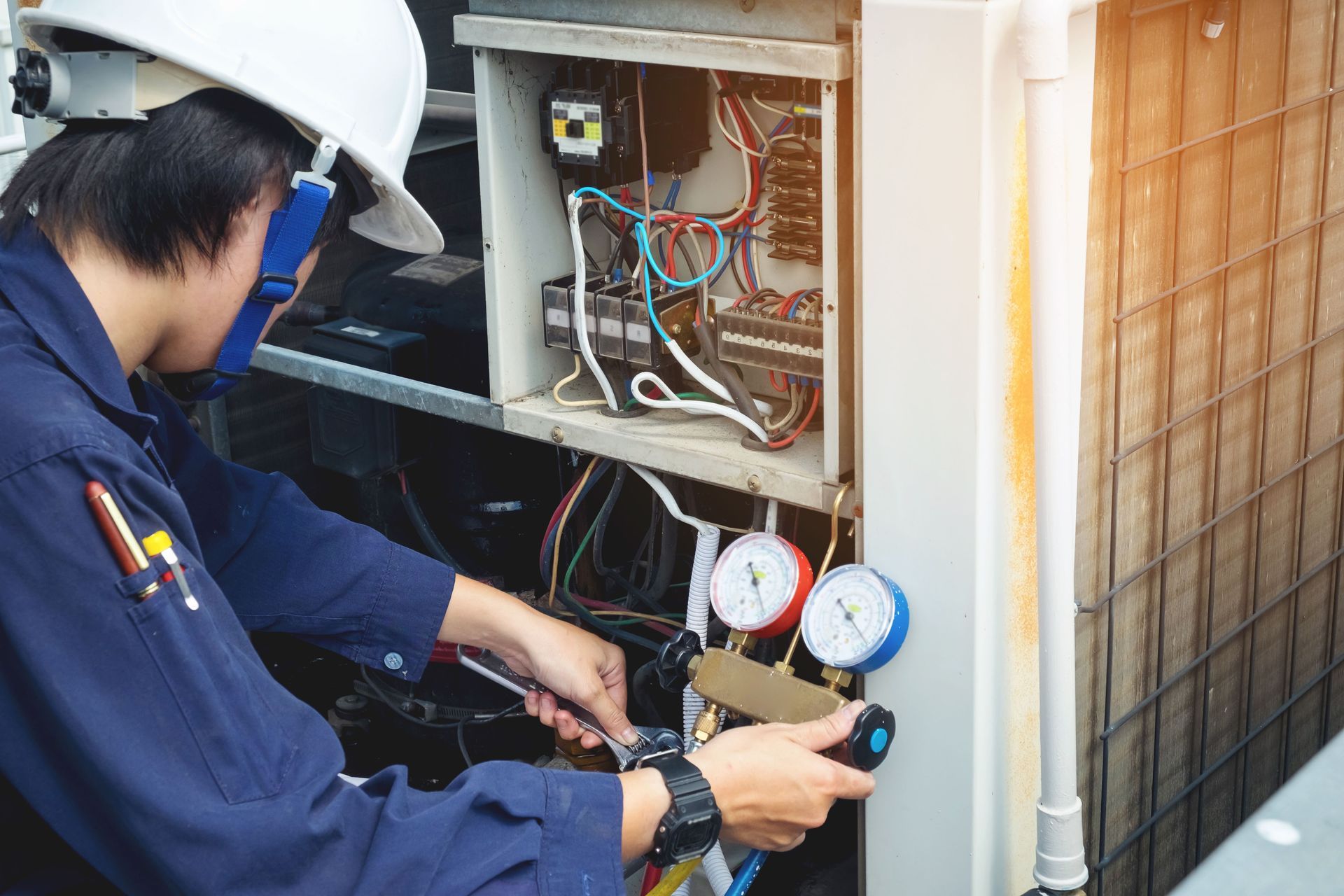
Technicians test airflow, temperature output, and overall system responsiveness. They check for any irregularities and make necessary adjustments to ensure consistent operation. Calibration involves fine-tuning settings so that the system maintains comfort without unnecessary strain on its components.
This phase also includes verifying that all safety features are working correctly. Proper testing ensures that the system can handle daily use while maintaining reliability over time. By addressing potential issues early, professionals help prevent future disruptions and costly repairs.
Understanding Maintenance Expectations
A successful HVAC installation is only the beginning of maintaining a comfortable indoor environment. Ongoing maintenance plays a vital role in preserving system performance and extending its lifespan. Professionals provide guidance on how to care for the system and what to expect in terms of routine service.
Homeowners are typically advised on tasks such as monitoring system performance, recognizing early signs of wear, and scheduling regular inspections. These practices help ensure that the system continues to operate efficiently and reliably.
Professional maintenance visits allow technicians to identify and address minor issues before they become significant problems. This proactive approach supports long-term performance and helps protect the investment made during installation. Understanding maintenance expectations empowers homeowners to take an active role in keeping their system in top condition.
A professional HVAC installation is a structured and detail-oriented process designed to deliver comfort, efficiency, and reliability. From the initial evaluation to final testing, each step is carefully executed to ensure that the system meets the unique needs of the home. By working with experienced professionals, homeowners can feel confident that their investment is built to perform over the long term.
Choosing professional installation also provides peace of mind. It eliminates uncertainty, reduces the risk of future issues, and ensures that every component is installed and calibrated correctly. With the right approach, an HVAC system becomes more than just equipment—it becomes a key part of a healthier, more comfortable living environment.
At The Gas Man, we understand how important a properly executed HVAC installation is for your home and your family’s comfort. We take pride in guiding you through every step of the process, from evaluation to final testing, ensuring that your system is tailored to your needs. Our team is committed to delivering reliable, high-quality solutions that support long-term performance and indoor comfort. When you choose us, you are choosing a partner dedicated to helping you create a more efficient and comfortable living space.