March 19, 2026
Understanding the mechanics of your home heating system allows you to spot trouble before it leads to a total breakdown. Many homeowners struggle to decide between a simple repair and a full system upgrade. However, as technology advances, the benefits of modern units often outweigh the costs of keeping an aging system on life support. By paying close attention to performance changes, noise levels, and monthly expenses, you can determine the best path forward. If you are unsure about the current state of your unit, consulting with a local HVAC contractor is the most reliable way to get an expert assessment and peace of mind.
1. Monitor Inconsistent Heating Throughout Your Home
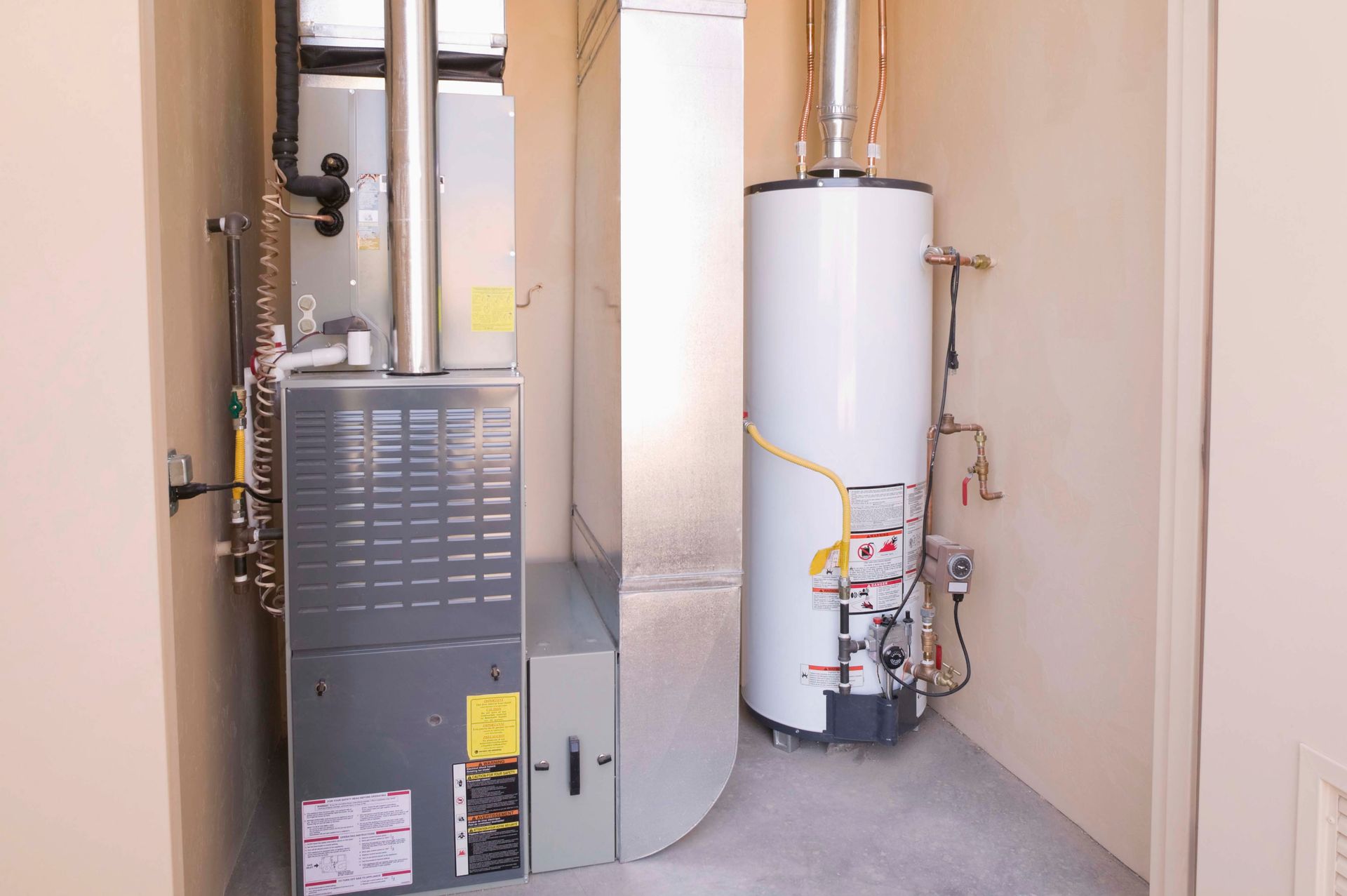
One of the first signs of a failing furnace is inconsistent heating, where certain rooms feel significantly colder than others. This often results from a major decline in your furnace's ability to distribute heat evenly through the ventilation system. A discrepancy in temperature can be incredibly annoying and often signals deeper systemic issues within the heat exchanger or blower motor. If your furnace is unable to deliver consistent warmth, it may be struggling to function properly due to mechanical fatigue. In many cases, an older furnace may lack the necessary power to heat large or multi-level homes efficiently, regardless of how high you turn up the heat.
Frequent thermostat adjustments are another common indication that your furnace is unable to maintain your desired temperature settings. Constantly having to fiddle with the dial or digital interface suggests it is time to assess whether your system is functioning adequately. A well-functioning furnace should require minimal intervention to sustain a comfortable environment. If adjustments become a daily routine, it could point to an underlying problem with your furnace’s internal sensors or control board. Inefficient performance often means the system is working harder than necessary, leading to increased wear and tear on all moving parts. You should ask a local HVAC contractor to inspect the connection between your thermostat and the heating unit.
Compatibility between your furnace and your home's ductwork is also crucial for efficient operation. Older duct systems can exacerbate heating inefficiencies, highlighting the need for an updated, high-pressure system. Mismatched components make the furnace work significantly harder to maintain desired home temperatures. Investing in a modern, appropriately matched system can lead to better performance and reduced utility costs. If you are worried about the synergy between your ductwork and your heater, have a local HVAC contractor perform a static pressure test to check for leaks or bottlenecks.
2. Listen for Unusual Sounds Coming From the Furnace
Clanking or banging noises from your furnace can be alarming and are often symptomatic of major mechanical issues. Such sounds typically indicate loose or broken components, such as a detached blower wheel or a cracked belt, inside the system. Ignoring these noises can lead to more severe damage over time as parts collide with one another. Addressing mechanical problems early can prevent emergencies and extend the system’s lifespan. It is essential to contact a professional for a full diagnosis if you hear these sounds persistently during a heating cycle.
A persistent humming or vibrating noise can indicate electrical problems or a failing capacitor within the furnace. Such noises often arise from issues with the blower motor or other sensitive electrical components that are beginning to burn out. Ongoing electrical problems can become hazardous if not addressed in a timely manner, potentially leading to a short circuit. Evaluating the system’s electrical integrity can help identify the root cause of these distracting noises. Engaging a local HVAC contractor to investigate the wiring is the best course of action to ensure safety and functionality.
A loud boom during furnace startup is one of the most concerning noises, as it often signals a delayed ignition problem. This alarming sound can be dangerous, potentially leading to physical damage or safety hazards like gas leaks or small internal explosions. Addressing ignition issues promptly is crucial to ensuring your family and home remain safe throughout the winter. Professionals recommend routine inspections to avoid delayed ignition scenarios caused by dirty burners. If this issue occurs, immediate intervention by a local HVAC contractor is strongly advised to prevent a fire.
3. Analyze High Energy Bills Despite Normal Usage
An unexpected rise in energy bills despite unchanged usage habits is a clear sign of furnace inefficiency. Such increases often result from the furnace working harder and running longer cycles than necessary to heat the home. Inefficient systems draw more power or consume more fuel, inflating energy costs and straining your monthly household budget. Identifying the root cause of increased bills can guide you in deciding whether a furnace replacement is the most financially sound move.
Aging furnace components become less efficient, struggling to meet heating demands as they accumulate dust and wear. As parts wear down, the system requires more energy to function, impacting both performance and monthly expense. Understanding how individual components, like the inducer motor, affect the overall system can help predict potential failures. Ensuring that each part operates optimally prevents unnecessary energy consumption and keeps your bills predictable. If your bills are skyrocketing, a local HVAC contractor can help you determine if a newer, high-efficiency model is right for you.
Technological advancements in heating systems offer efficiencies that older models simply cannot match. Newer furnaces incorporate features like energy-saving modes, two-stage heating, and optimal heat distribution. These innovations reduce energy consumption, lowering operational costs and benefiting the environment through lower carbon emissions. Comparing outdated models to recent designs highlights compelling reasons to upgrade your home's infrastructure. Investing in a newer model can provide enhanced comfort and significant savings over time. Consult with a local HVAC contractor to see which modern features best fit your lifestyle.
4. Consider the Age of Your Furnace
The age of your heating system is one of the most reliable predictors of its future performance and reliability. According to Today's Homeowner, a furnace that's between 15 and 20 years old may need replacement to avoid sudden failure. Reaching this age, units often exhibit wear that affects efficiency and overall performance. Evaluating furnace age against market standards helps identify impending issues and facilitate a planned, stress-free replacement. Proper maintenance extends lifespan, but even well-kept units may need replacement once they hit these chronological milestones.
Technological progress continuously improves furnace designs, yielding efficiency and performance enhancements that save you money. Modern units often consume less energy and offer advanced features like smart thermostats and zoned heating. These improvements underscore the benefits of upgrading to the latest models, emphasizing better comfort and reduced environmental impact. As systems transform, it’s crucial to evaluate older models against high-performing new alternatives.
Older furnaces can present safety hazards, such as carbon monoxide leaks or electrical failures that pose fire risks. Maintaining these systems may increase risks, urging replacement for the sake of your family's safety. Identifying potential hazards in aging units guides timely decision-making before a dangerous situation occurs. Updating to a newer model reduces safety concerns and promotes a much healthier home environment. Homeowners who prioritize safety realize that newer furnaces provide unparalleled peace of mind during the coldest nights of the year.
Staying vigilant about the warning signs listed is crucial for maintaining home comfort and safety. Prioritizing replacement when necessary ensures energy efficiency, which enhances your home's value and reliability. Investing in a new furnace not only provides peace of mind but also secures long-term savings and benefits. Identifying and acting upon these signs strengthens your home’s heating capabilities while mitigating unexpected costs. Solutions are within reach by recognizing issues, consulting experts, and evaluating options for a future-ready heating system. Contact us at The Gas Man today for a consultation with a local HVAC contractor!